
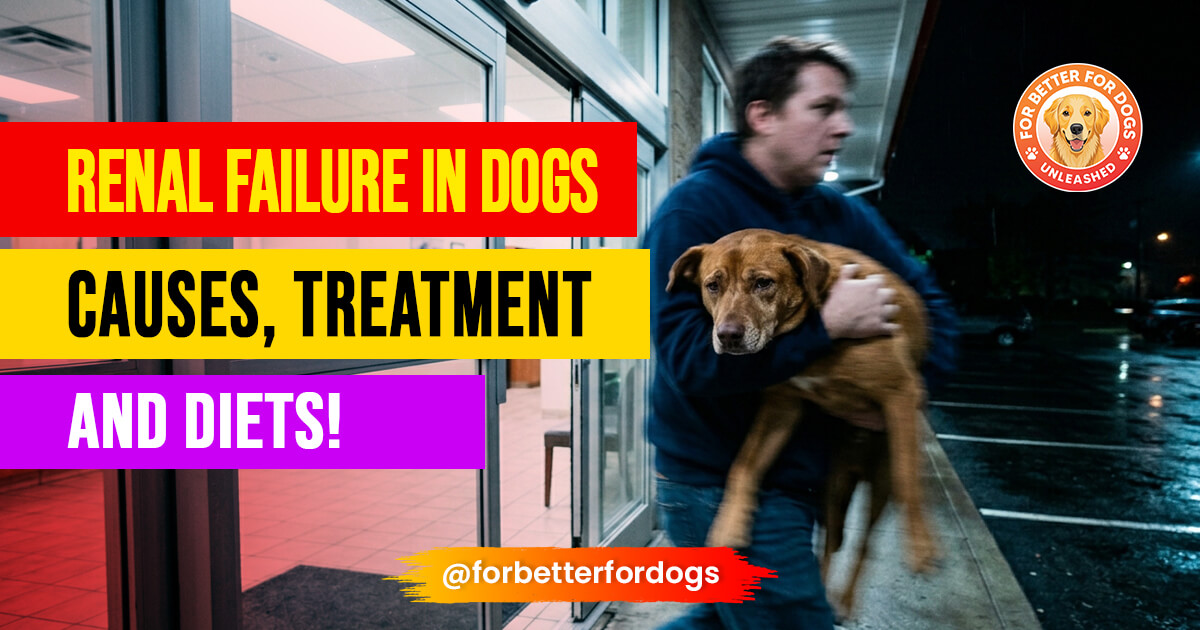
One moment your dog seems fine. The next, he is refusing food, vomiting, barely moving, and drinking either enormous amounts of water or almost none at all. Something is clearly wrong — but what?
If those symptoms appeared suddenly, within hours or over just a day or two, acute renal failure is one of the most important things your veterinarian needs to rule out. And the speed at which you act genuinely matters. This is not a wait-and-see situation. Acute kidney injury in dogs can turn life-threatening within days, and the difference between a full recovery and permanent kidney damage often comes down to how quickly treatment begins.
Table of Contents
This guide covers everything you need to understand about acute renal failure in dogs — what causes it, how it is diagnosed, how it is treated, and critically, what role diet plays both during recovery and in the weeks and months that follow. Because surviving acute kidney injury is one thing. Protecting your dog’s kidneys for the rest of their life is another.

Acute Renal Failure vs. Chronic Kidney Disease: Understanding the Difference
These two conditions affect the same organs but they are not the same thing, and the distinction matters.
- Acute renal failure, more precisely called acute kidney injury (AKI) — is different in almost every way. It comes on suddenly. A dog that was completely healthy yesterday can be critically ill today. The cause is usually something specific and identifiable: a toxin, an infection, a medication, an obstruction, or a severe systemic illness. And unlike chronic kidney disease, acute kidney injury can sometimes be fully reversed — if treatment happens fast enough.
- Chronic kidney disease (CKD) is a gradual, progressive decline in kidney function that develops over months or years — most commonly in senior dogs. The signs creep in slowly. Owners often notice something is off long before a diagnosis is made, and management becomes a long-term process of slowing progression and maintaining quality of life.
That possibility of recovery is what makes early intervention so important. The kidneys have a remarkable capacity to heal from acute injury when the underlying cause is removed and the body is properly supported. But that window does not stay open indefinitely.
What Causes Acute Kidney Injury in Dogs?
Understanding the causes is not just academic. If you know what can trigger acute kidney injury, you are better equipped to protect your dog — and to recognize an emergency when it happens.
Toxins:
Toxin exposure is one of the most common causes of acute kidney injury in dogs, and some of the most dangerous substances are things found in ordinary homes and gardens.
- Grapes and raisins are among the most well-known kidney toxins for dogs, and the mechanism behind their toxicity has recently been identified as tartaric acid. This also means that Zante currants and tamarind carry the same risk. What makes grapes and raisins particularly dangerous is the unpredictability — some dogs eat a handful with no apparent effect, while others develop acute kidney failure from just a few. There is no established safe amount. Treat any ingestion as an emergency.
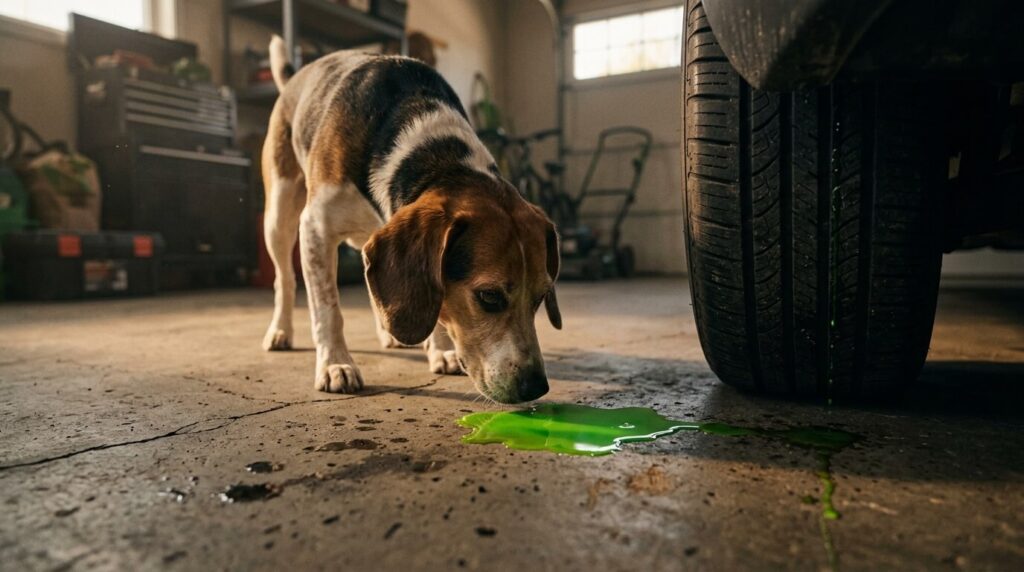
- Ethylene glycol — the active ingredient in most automotive antifreeze — is extremely toxic to dogs and unfortunately has a sweet taste that makes it appealing. Even a small amount can cause rapid, severe kidney failure. If you suspect your dog has ingested antifreeze, do not wait for symptoms. Get to an emergency vet immediately. The treatment window is extremely narrow.
- Vitamin D3 overdose is a less commonly known but genuinely serious cause of acute kidney injury. Dogs can be exposed through vitamin D supplements, certain medicated skin creams that contain vitamin D3, and rodenticides that use cholecalciferol as their active ingredient. Vitamin D toxicity causes calcium to accumulate in the kidneys and other soft tissues, causing rapid damage.
- NSAIDs — both prescription versions like carprofen and deracoxib, and over-the-counter human medications like ibuprofen and acetaminophen — can cause acute kidney injury when ingested in overdose. Ibuprofen and acetaminophen are toxic to dogs at doses far lower than humans tolerate. Never give your dog human pain medication without explicit veterinary guidance.
Infections:
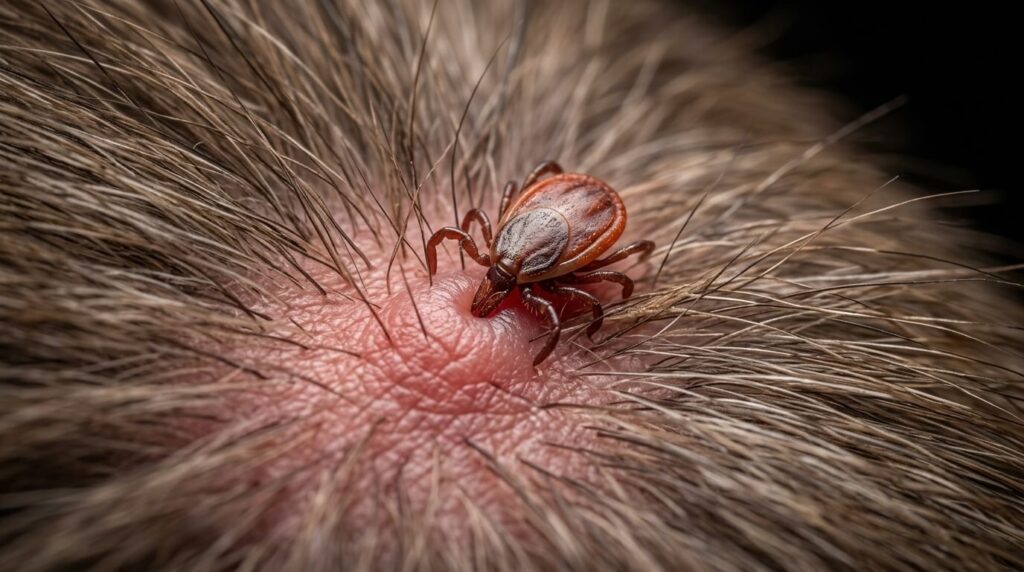
Pyelonephritis is a kidney infection that typically begins as a bladder infection and travels upward through the ureters — the tubes connecting the bladder to the kidneys — to infect the kidneys directly. Dogs with recurrent urinary tract infections are at particular risk. Early signs can be subtle, which is one of the reasons UTIs in dogs should always be treated promptly and completely.
Leptospirosis is a bacterial infection caused by Leptospira bacteria, spread through contact with infected urine — typically from wildlife like rats, raccoons, and deer. It can affect multiple organs including the kidneys, liver, heart, and lungs. Leptospirosis is vaccine-preventable, and in areas where wildlife exposure is common, that vaccine is worth having a genuine conversation with your vet about. Dogs with leptospirosis-related kidney injury typically have a good prognosis with prompt treatment — one of the more encouraging outcomes in the acute kidney injury category.
Medications:
Certain medications are nephrotoxic — meaning they carry a risk of kidney damage, particularly at high doses or with prolonged use. Aminoglycoside antibiotics like gentamicin and amikacin fall into this category, as does the antifungal drug amphotericin B. The chemotherapy drug cisplatin and contrast agents used in CT and MRI imaging have also been associated with acute kidney injury in dogs.
This is not a reason to refuse necessary medical treatment — sometimes these medications are the right choice and the risk is managed carefully by your vet. But it is a reason to ensure your dog stays well hydrated during any treatment involving these drugs, and to ask your vet about kidney monitoring if your dog is on any of them long-term.

Urinary Obstruction:
When urine cannot flow properly — either because something is blocking the urethra (preventing urination entirely) or because something is blocking a ureter (preventing a kidney from draining into the bladder) — pressure builds in the kidneys and causes rapid damage.
Bladder stones are a common culprit. Tumors of the bladder, urethra, or ureter can also cause obstruction, as can an enlarged prostate in intact male dogs. A dog who is straining to urinate, producing only drops, or not urinating at all needs emergency veterinary attention. Urinary obstruction is one of the fastest routes to severe kidney damage.
Severe Systemic Illness
Conditions that cause widespread inflammation throughout the body — sepsis, pancreatitis, severe shock — can damage the kidneys as collateral damage. The kidneys are highly sensitive to changes in blood flow and oxygen delivery, and when the body’s systems are under serious stress, kidney injury can develop even when the kidneys themselves were not the original target. This is one of the reasons dogs hospitalized for serious illness are routinely monitored for changes in kidney function.
Recognizing the Signs: What Acute Kidney Failure Looks Like
The symptoms of acute kidney injury tend to appear suddenly and escalate quickly. Knowing what to watch for is critical.
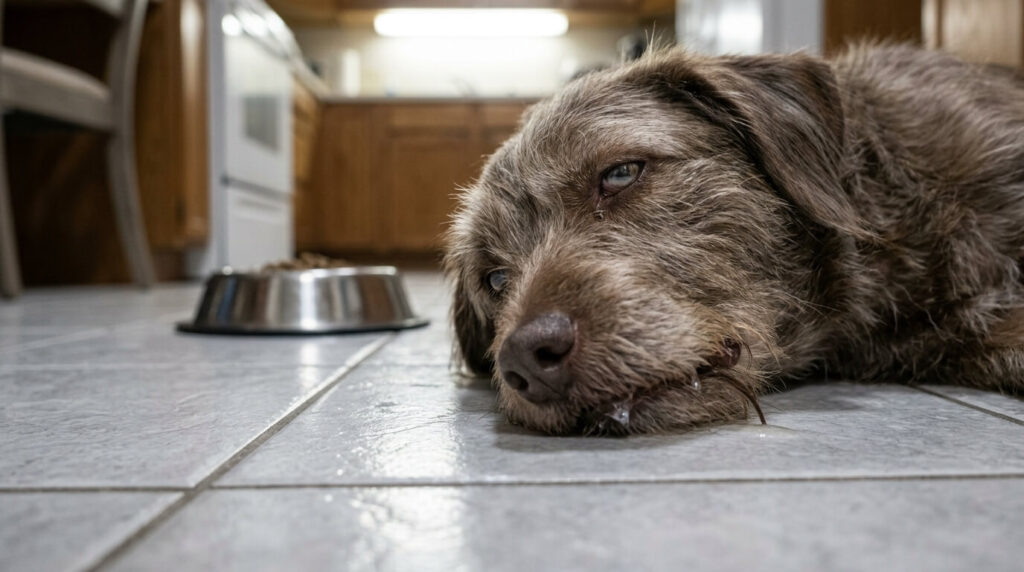
In the early stages, most dogs show a sudden increase in thirst and urination — drinking far more than usual and needing to go outside constantly. This can progress, paradoxically, to drinking almost nothing and urinating very little or not at all as the kidneys lose function entirely.
- Vomiting is extremely common and can be persistent. Loss of appetite often accompanies it — a dog who is normally food-motivated suddenly showing no interest in meals is always a red flag. Lethargy sets in as toxins accumulate in the bloodstream. Your dog may seem profoundly tired, reluctant to move, or simply not himself in a way that is hard to pin down but impossible to ignore.
- Abdominal pain — shown by hunching, reluctance to be touched around the belly, or a tense abdomen — can indicate kidney inflammation or obstruction. Bad breath with an ammonia-like quality reflects the buildup of uremic toxins. Pale gums may signal anemia or compromised circulation.
If your dog is showing any combination of these signs — especially if they appeared suddenly — contact your veterinarian immediately. If your vet cannot see your dog right away, go to the nearest emergency veterinary hospital. This is not a situation where monitoring at home overnight is the right call.
How Acute Kidney Injury is Diagnosed
When you arrive at the vet with a dog showing these symptoms, here is what the diagnostic process typically looks like.
If your dog was witnessed eating something toxic — grapes, antifreeze, a medication — tell your vet immediately and be as specific as possible about what was consumed and approximately how much. Your vet may contact the ASPCA Animal Poison Control Center or the Pet Poison Helpline to consult on the specific toxin and recommended treatment protocol.
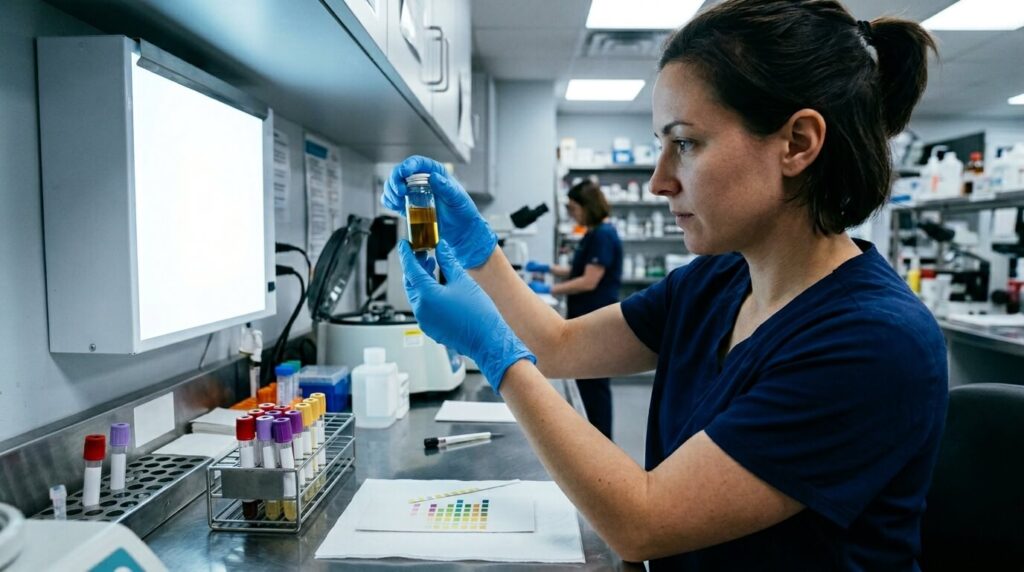
For other causes, expect a complete blood panel including a complete blood count and chemistry panel, plus a urinalysis. The blood work will show elevations in kidney values — creatinine, BUN (blood urea nitrogen), and phosphorus — along with information about electrolytes, calcium, and red blood cell count. The urinalysis reveals how well the kidneys are concentrating urine and whether protein, blood, or bacteria are present.
If a kidney infection is suspected, a urine culture and sensitivity test will identify the specific bacteria involved and which antibiotics will be effective against it. If leptospirosis is a possibility based on your dog’s lifestyle and exposure risk, specific leptospirosis testing will be recommended.
Abdominal X-rays can identify kidney stones or bladder stones. An abdominal ultrasound gives your vet a detailed look at the structure of the kidneys themselves — their size, shape, and internal architecture — which can help identify the underlying cause and assess the degree of damage.
Treatment: What Happens in the Hospital
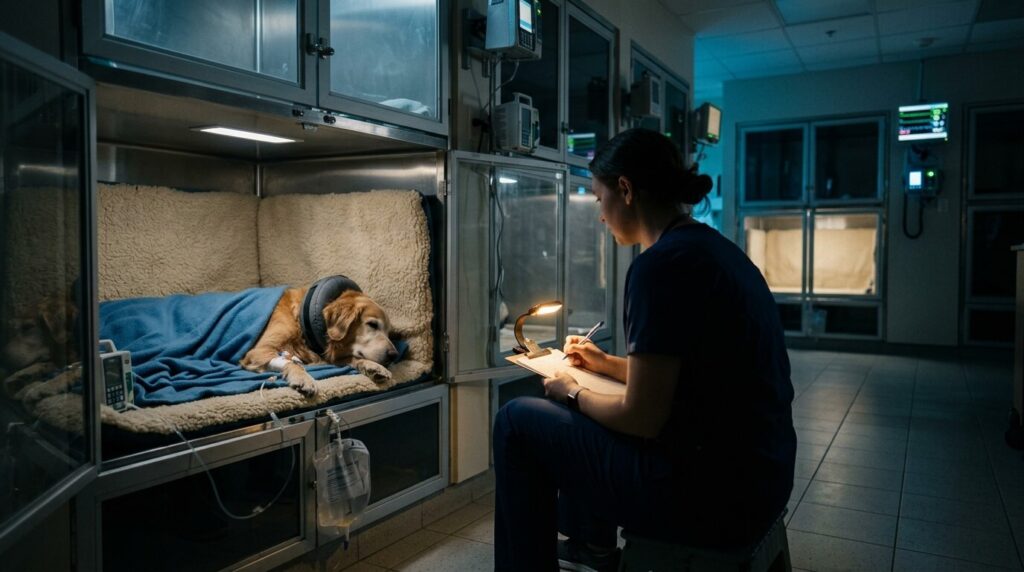
Dogs with acute kidney injury should be hospitalized. This is not optional — the intensity of monitoring and treatment required simply cannot be replicated at home in the early stages.
- Intravenous fluid therapy is the cornerstone of treatment. Aggressive fluid administration serves multiple purposes: it flushes toxins from the kidneys, supports blood pressure and circulation, and helps restore the kidneys’ ability to produce urine. Your dog’s urine output will be measured carefully and compared against the fluids being given — this ratio is one of the most important indicators of how the kidneys are responding.
- Medications for nausea and vomiting are almost always needed. A dog who cannot keep food or water down cannot recover — managing these symptoms keeps your dog comfortable and supports the healing process.
- Antibiotics will be started if an infectious cause is identified or strongly suspected.
For the most severe cases — dogs whose kidneys are not responding to standard fluid therapy — renal hemodialysis may be recommended. Hemodialysis filters the blood externally, removing the waste products that the kidneys can no longer clear on their own, and buys time for the kidneys to heal. Multiple sessions are typically required. It is only available at specialty and veterinary teaching hospitals, but in the right situation it can be the difference between survival and loss.
For acute kidney injury caused specifically by NSAID overdose, two additional treatments may be used. Therapeutic plasma exchange (TPE) separates plasma from red blood cells and replaces it with donor plasma, removing the NSAID molecules that have bound to plasma proteins. Intralipid emulsion (ILE) therapy involves intravenous administration of a fat emulsion that attracts NSAID molecules and facilitates their removal from the body. ILE is more widely available than hemodialysis or TPE and has shown genuine effectiveness in NSAID toxicity cases.
The Diet That Supports Recovery — and Protects What’s Left
Treatment saves the kidneys. Diet protects them going forward. And this is where many owners lose the thread — they get through the crisis, their dog comes home, and they go back to feeding whatever they fed before. That is a missed opportunity that can shorten recovery and accelerate any long-term kidney damage that remains. Here is what a kidney-supportive diet actually looks like in practice;
Prioritize Moisture Above Everything Else
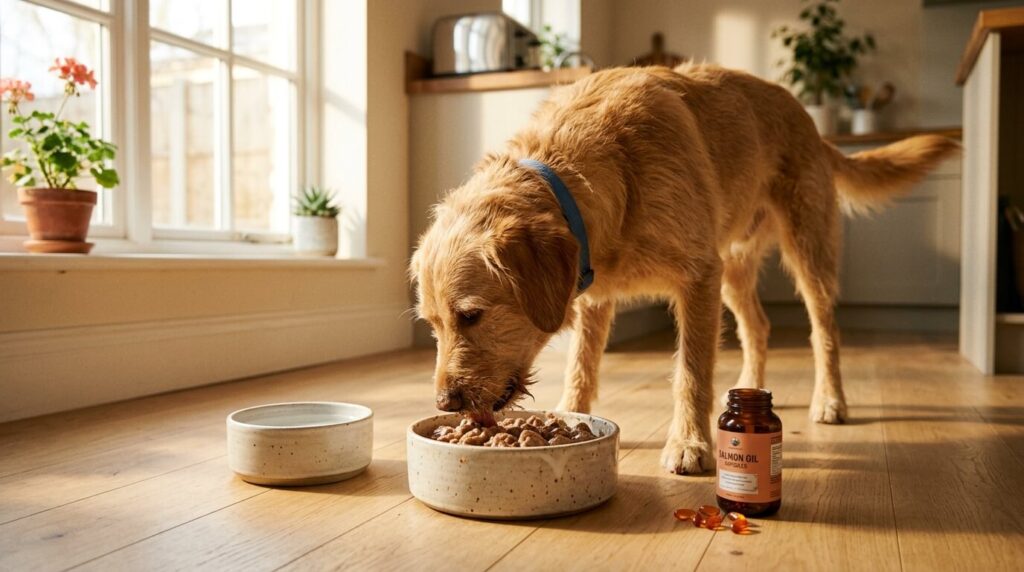
Hydration is the single most important dietary factor for a dog recovering from kidney injury. Wet food contains upwards of 70% moisture compared to roughly 10% in dry kibble. Switching to a high-quality canned food — or adding warm water to whatever you are feeding — makes a meaningful difference in how hard your dog’s kidneys have to work every day. Always keep fresh water available, and consider placing multiple bowls around the house to encourage drinking.
One important caution: bone broth, despite its popularity as a health food for dogs, is high in phosphorus and sodium — both of which need to be limited in dogs with compromised kidneys. Plain water or low-sodium, low-phosphorus options are the safer choice for encouraging fluid intake.
Protein: Quality Over Quantity
The goal is not the lowest protein diet possible. It is the most digestible, highest quality protein in a controlled amount. Egg protein is considered 100% digestible. Chicken, beef, and lamb come in at 90 to 95%. These proteins deliver the amino acids the body needs for tissue repair without generating the volume of metabolic waste that lower-quality proteins produce.
Muscle wasting is a real risk in dogs with kidney disease, and inadequate protein accelerates it. Work with your vet or a veterinary nutritionist to find the right protein level for your dog’s specific stage of disease — it is a balance, not a blanket restriction.
Phosphorus Restriction Is Non-Negotiable
If there is one dietary factor with the strongest evidence behind it in kidney disease management, phosphorus restriction is it. Damaged kidneys cannot excrete phosphorus efficiently, causing it to accumulate in the blood and triggering a hormonal cascade that actively accelerates kidney deterioration. Foods high in phosphorus — organ meats, dairy, bones, and antlers — should be minimized or eliminated. Commercial kidney diets are specifically formulated with this in mind.
Add Omega-3s, Limit Omega-6s
EPA and DHA — the omega-3 fatty acids in fish oil and marine microalgal oils — have documented anti-inflammatory and kidney-protective effects. A quality salmon oil supplement is one of the most straightforward additions you can make to a kidney recovery diet.
Omega-6 fatty acids, found in safflower and sunflower oils, appear to be detrimental to kidney health in dogs with CKD. Check the fat sources in any commercial food you are considering.
Antioxidants Help
Free radical damage has been specifically linked to the progression of kidney disease. Vitamins E and C help neutralize those free radicals and reduce the inflammatory burden on recovering kidney tissue. Many kidney-specific commercial diets include these — if yours does not, ask your vet about supplementation.

What Recovery Actually Looks Like
The prognosis for acute kidney injury depends heavily on the cause and how quickly treatment began.
Dogs with leptospirosis-related kidney injury generally do well with prompt treatment. Dogs exposed to ethylene glycol face a significantly more guarded prognosis — antifreeze toxicity is one of the most serious causes, and the treatment window is extremely narrow. Dogs showing severe elevations in kidney values, very low calcium, high phosphorus, anemia, and reduced urine production face the most difficult road.
Some dogs make a complete recovery with no lasting kidney damage. Others carry some degree of chronic kidney disease for the rest of their lives following an acute injury — which is why the dietary and monitoring guidance above does not end when your dog comes home from the hospital. It becomes the new normal.
Regular blood panels and urinalysis — at least every six months for a dog who has experienced acute kidney injury — allow your vet to catch any progression early and adjust the management plan accordingly.
The Bottom Line
Acute renal failure in dogs is a genuine emergency. It is also, in many cases, survivable — and sometimes fully reversible — when it is caught quickly and treated aggressively. Your job as an owner is to know the warning signs, know the common causes, and move fast when something feels wrong.
Keep grapes, raisins, antifreeze, and human medications completely out of reach. Know your dog’s normal — how much he drinks, how often he urinates, what his energy and appetite look like on a typical day. Because the owner who notices the change on day one gives their dog a completely different chance than the one who notices on day five.
And if your dog has come through an episode of acute kidney injury — welcome to the other side of the hardest part. Now the work is protecting what’s there. The right diet, consistent monitoring, and a vet you trust are your best tools from here.
For Better For Dogs exists for moments exactly like this one — when you need real information, explained clearly, by someone who genuinely cares whether your dog makes it through. Drop your questions or your dog’s story in the comments below. We read every single one.