Here is something that will make you stop and think.
Most dog owners will happily spend significant money on premium food, orthopedic beds, and new toys without hesitating for a second. And then those same owners will completely overlook simple dog care habits that cost almost nothing — habits that, if fixed, would make a more meaningful difference to their dog’s quality of life and daily comfort than almost anything money can buy.
This is not a criticism. It is one of the most common patterns in dog ownership, and it happens because the things that truly improve a dog’s quality of life do not come with marketing budgets. Nobody is running Instagram ads for nail trimming. There is no sponsored content for checking your dog’s ears once a week. These things just quietly matter — and when they are neglected, your dog quietly suffers for it.
Here are five simple, largely free, immediately actionable things you can do to genuinely improve your dog’s life starting today.
Table of Contents
1. Trim Your Dog’s Nails Every Three Weeks
Let’s start with the one that makes most owners uncomfortable — because it is also the one with the most significant impact on your dog’s daily physical wellbeing.
Your dog’s nails should be trimmed or ground down every three weeks. Not every couple of months. Not whenever the groomer gets around to it at their quarterly bath. Every three weeks.
Most dogs are not being trimmed anywhere near that often. And most owners have no idea what that costs their dog in terms of pain and long-term physical damage.
What Overgrown Nails Actually Do to Your Dog
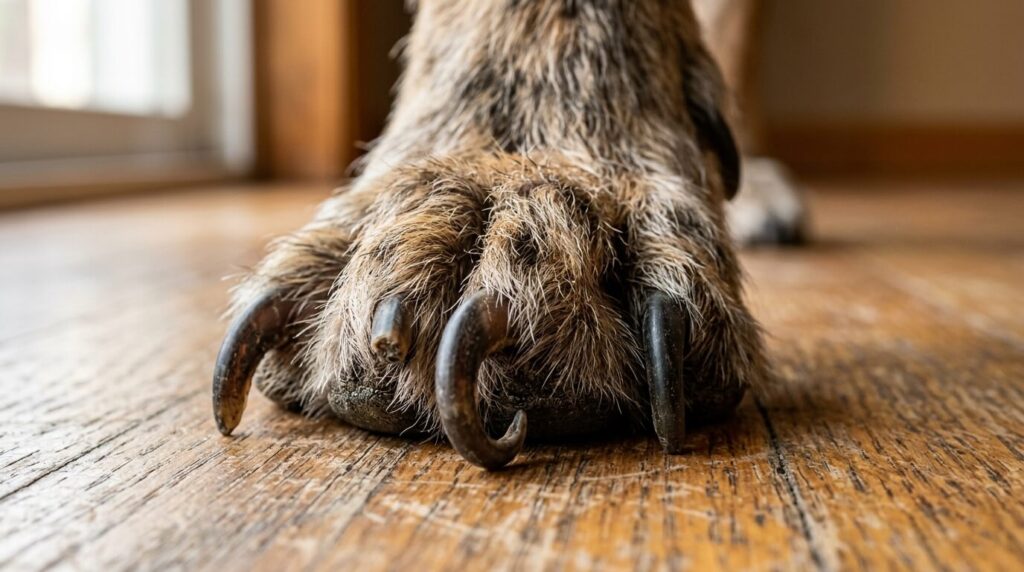
When a dog’s nails are too long, every single step they take on a hard surface pushes those nails backward into the toe. That pressure causes the toes to splay and twist in ways they are not designed to move. It hurts. Not dramatically, not in a way that usually produces obvious limping — but consistently, every step, all day long.
Over time, the dog compensates for that discomfort by adjusting their posture. They shift their weight, change how they carry themselves, alter their gait. This is where the real long-term damage happens — because compensatory posture changes do not stay localized to the feet. They travel up the legs, into the hips and spine, and over months and years can contribute to the kind of hind-end weakness and joint soreness that owners attribute to aging when it was actually building slowly from something entirely preventable.
The American Veterinary Medical Association emphasizes nail care as a fundamental component of routine preventive health maintenance — not an optional grooming extra. Their guidance on routine care is available.
There is also the traction issue. Long nails significantly reduce the grip a dog has on smooth flooring — wood, tile, laminate. For young dogs this is an inconvenience. For older dogs who have already lost some muscle tone, it is genuinely dangerous. The slipping and scrambling that owners often attribute to clumsiness is frequently a nail length problem.
The Quick Problem Nobody Talks About Enough
If you have been leaving the nails too long, you are not just dealing with overgrown nails — you are dealing with an overgrown quick. The quick is the blood vessel and nerve that runs through the nail. It grows along with the nail. If the nail is long, the quick is long. Which means you cannot simply trim the nail back to the appropriate length in one session without hitting the quick.
The solution is a period of intensive trimming — taking just a small amount off every single week for six weeks or so. The quick recedes back from the tip of the nail as you trim it consistently. After that intensive phase, you can bring the nails to a healthy length and maintain them at the three-week interval going forward.
Making Nail Trimming Less Terrible for Both of You
The single most common reason owners avoid nail trimming is a bad experience — theirs or their dog’s. Either the dog panics, or the owner once cut a nail too short and it bled, and now both parties approach the whole thing with dread.
Here is an honest reframe: professional groomers and veterinarians cut nails too short sometimes too. The difference is you are not in the room when it happens, and they have styptic powder to stop the bleeding immediately. If you cut a nail too short at home, apply styptic powder — available at any pet store — and the bleeding stops within seconds. It looks worse than it is.
Start with sharp clippers. Dull blades compress the nail before they cut through it, which causes pressure and discomfort even when the quick is not touched. If your clippers require noticeably more force than they used to, replace them. The American Kennel Club maintains a guide to choosing the right nail clippers and grinders.
Consider a grinder if clippers feel intimidating. Grinders remove small amounts of nail at a time, produce a smooth edge, and eliminate the risk of cutting the quick with a single wrong snip. Many dogs actually tolerate grinders better than clippers because the sensation is gentler. The sound takes conditioning — but conditioning is genuinely easy to do.
Conditioning works like this: pair the sight of the clippers or the sound of the grinder with something your dog truly loves. Not kibble. Something they get excited about — dried fish, small pieces of cheese, a tiny piece of chicken. Do this repeatedly, with zero nail touching involved, until your dog’s response to seeing the tool is positive rather than avoidant. Then progress to touching the tool to a paw while giving the treat. Then touching a nail. One step at a time, with generous rewards at each stage.
And there is no rule that says all nails must be done in one session. Two nails today, two tomorrow, three the day after. If that is what your dog’s stress level requires, that is a completely legitimate approach.
2. Silence Those Jangling Dog Tags
This one sounds small. It is not.
Imagine wearing a set of keys around your neck every hour of every day, including when you are trying to sleep. Now imagine your hearing is significantly more acute than a human’s — four times the range, tuned to pick up high-frequency sounds with precision. That constant metallic jingling would be maddening.
That is the reality for many dogs.
Most owners are aware the tags are loud in a vague way — it is the sound that tells you your dog is moving around the house at 3 AM. But they rarely stop to think about what that noise is like from inside the dog’s experience.
Start By Reducing the Number of Tags
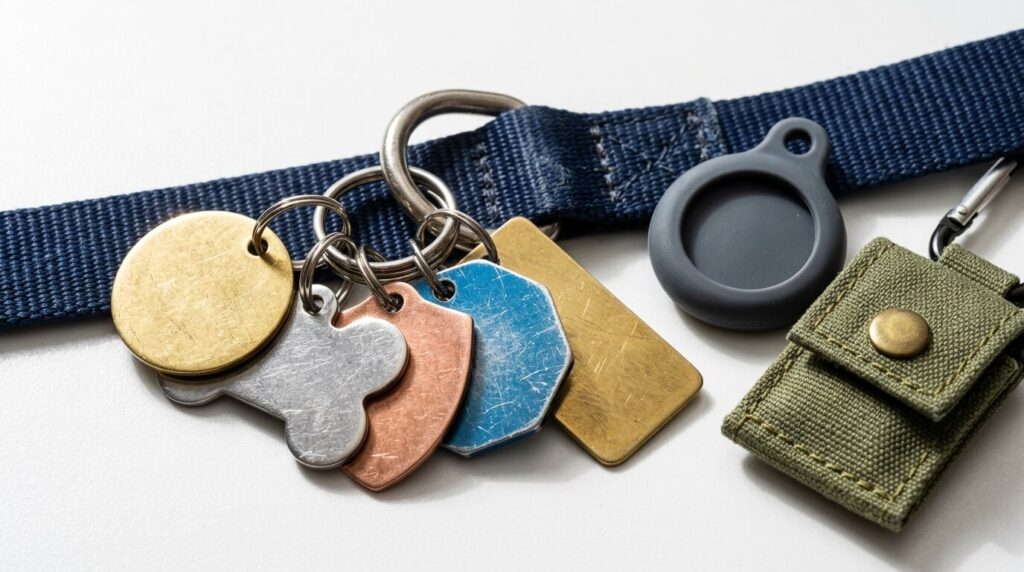
Before buying anything, take stock of what is actually hanging from your dog’s collar. Old rabies tags from previous years. An outdated license. Multiple vaccination records. In most cases, the current license alone covers the legal requirement, and many jurisdictions do not require rabies tags to be displayed once they are reflected in the license record. Check your local requirements — but in many cases, you can remove two or three tags immediately without any practical consequence.
Quiet the Tags That Remain
For the tags that do need to stay, there are several genuinely good solutions. Tag silencers — small rubber or silicone sleeves that wrap around each tag and prevent metal-on-metal contact — are inexpensive, widely available, and work well. Alternatively, small fabric or neoprene tag pouches bundle all tags together into a single quiet unit. These are easily found on Amazon or at pet supply stores.
If you want to go a step further, slide-on tags that loop through the collar webbing and sit flat against it eliminate dangling entirely. Custom embroidered collars with your contact information stitched directly into the fabric are the quietest solution of all — no metal, no movement, no noise.
One situation worth specifically mentioning: if your dog seems reluctant to eat from a metal bowl, the sound of tags striking the bowl during mealtimes can be the entire explanation. A switch to a low ceramic or plastic dish, combined with quieter tags, has resolved unexplained food refusal in dogs who were perfectly happy eating the same food from a different vessel.
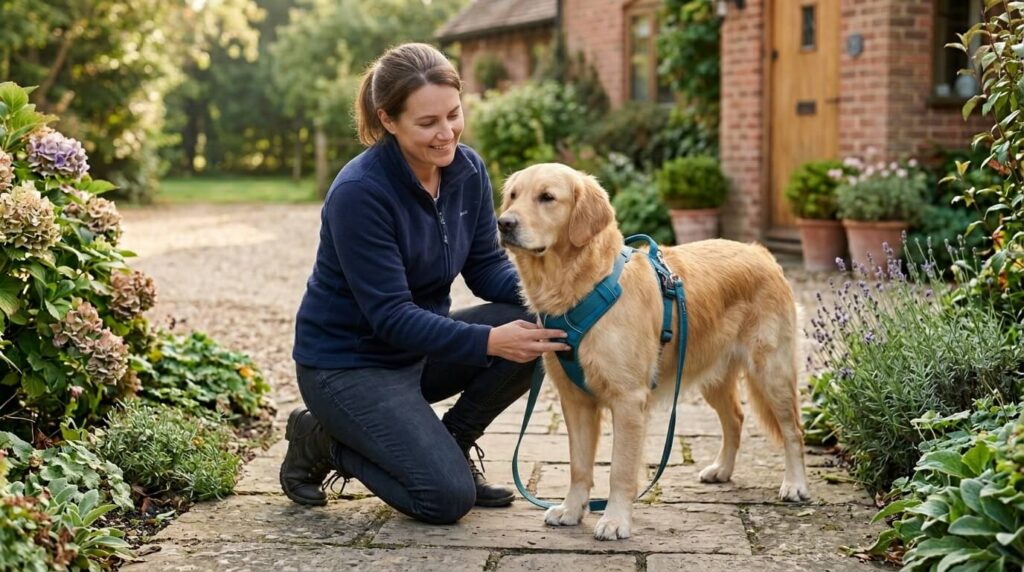
3. Use a Properly Fitted Harness — and Take It Off at Home
Harnesses have become the default choice for most dog owners, and in many situations they are genuinely the better option — they distribute leash pressure away from the throat, reduce neck stress in dogs who pull, and give owners more control without the risks associated with collar pressure on the trachea.
But most harnesses are not fitted correctly. And almost universally, they are left on far longer than they should be.
The Fitting Problem
A harness has multiple contact points with the body — chest, shoulders, back, potentially the belly and armpits. Unlike a collar, which has one adjustment point and settles into a relatively stable position, a harness changes its relationship with the body as the dog moves, sits, lies down, and gets up. What fits correctly when a dog is standing and walking may pinch at the armpit when they are lying curled on their side, or rub the chest when they are trotting.
Getting the fit right requires time and attention, and it requires revisiting it regularly — especially with a growing puppy. Most harness manufacturers have fitting guides and videos available on their websites or YouTube channels. Watch them. It is worth the fifteen minutes.
The Time-On Problem
A harness is a piece of equipment designed for walks and leash activities. It is not a garment your dog should wear all day, every day. Even a perfectly fitted harness creates contact pressure across the body during periods of rest, can mat or break down the coat at friction points over time, and simply asks your dog to tolerate something they should not have to tolerate when they are just resting at home.
The habit of leaving the harness on permanently usually starts for convenience — putting it on and taking it off is fiddly, the dog dislikes having it applied, and once it is on it is easier to leave it. But the solution to that problem is training the dog to accept harness application calmly and willingly, using the same conditioning approach described in the nail trimming section — not leaving the harness on indefinitely to avoid the hassle.
Take the harness off when your dog comes back inside from their walk. Let them be comfortable in their own skin at home.
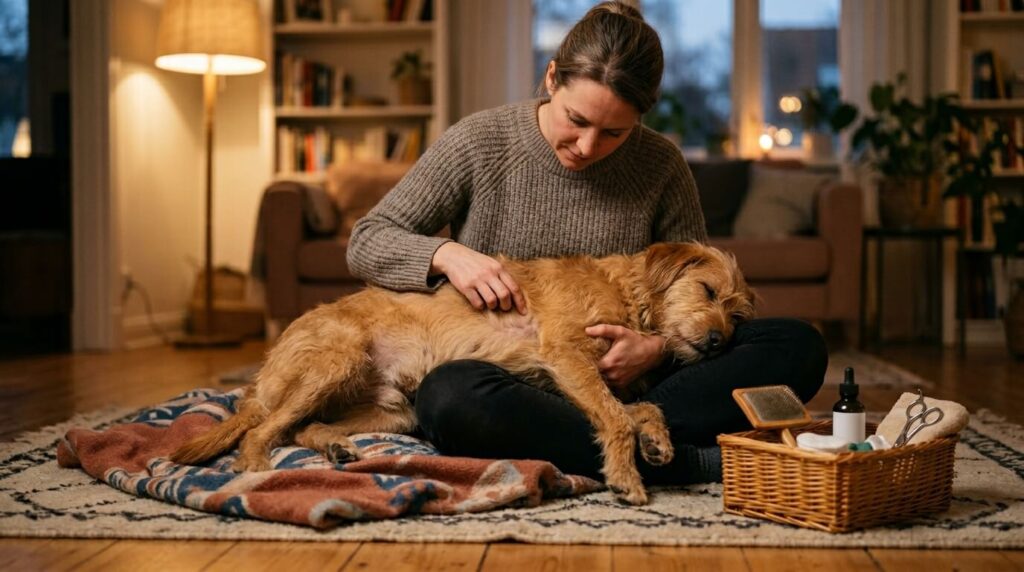
4. Make Weekly Home Grooming Checks a Non-Negotiable Habit
Every experienced dog owner has a story about something they found that they wish they had found sooner. A tick that had been there for days. An ear that had been quietly developing an infection for weeks. A small cut that had become infected. A mat so tight it had pulled the skin raw underneath.
The window between “easy to fix at home” and “emergency vet visit” is often nothing more than the amount of time between checks.
What a Weekly Check Should Cover
You do not need to be a professional groomer to do this. You need five to ten minutes, a quiet dog, and your hands and eyes.
Run your hands slowly over the entire body, feeling for new lumps or bumps, areas of heat, tenderness when touched, or changes in coat texture. Part the fur and look at the skin underneath, particularly around the tail base, belly, groin, and armpits — areas prone to irritation, parasites, and moisture buildup.
Check the ears — the AKC’s guidance on healthy ear appearance is useful here and available. A healthy ear is clean, pale pink inside, and has no noticeable odor. Dark discharge, redness, a yeasty smell, or a dog who reacts when you touch near the ear are all reasons for a vet call rather than a wait-and-see approach.
Check the eyes for discharge that has changed in color or consistency. Check the paws and between the toes for cuts, cracking, foreign objects, or signs of inflammation. Check the mouth and gums — more on that in the next section.
The System That Makes It Actually Happen
The reason most owners do not do weekly checks is not lack of willingness — it is friction. If your grooming tools are in a bag in a closet upstairs, the weekly check simply does not happen. Keep a small basket with your brush, nail clippers, ear cleaning solution, and small scissors somewhere you already spend time in the evenings. On the coffee table next to the sofa. Next to the spot where your dog usually settles in the evening. The lower the activation energy required, the more likely the habit becomes consistent.
This matters not just for catching problems early — it matters for the relationship. A dog who is regularly, gently handled all over their body is a dog who tolerates examination at the vet more calmly, who can be checked in an emergency without panic, and who is generally more comfortable being touched. That familiarity is built through repetition, not training sessions. It is just the accumulation of quiet evenings with your hands on your dog.
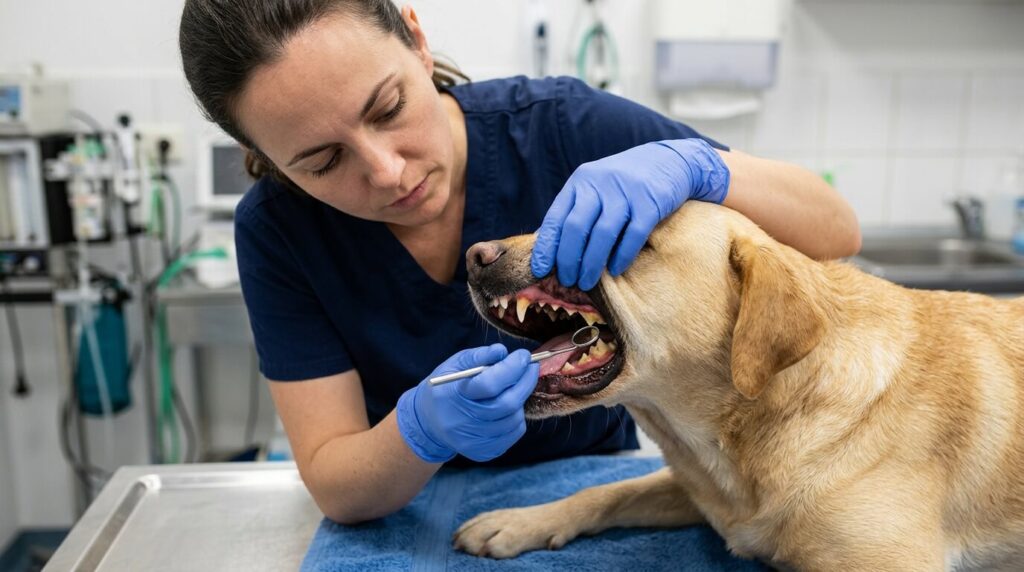
5. Take Dog Dental Care Seriously
This is the one most owners know they should be doing better. And most are not doing it well.
Let’s start with what is at stake — because “dental hygiene” sounds routine and benign until you understand what chronic dental disease actually does to a dog’s body.
The Real Cost of Neglected Dog Teeth
According to the American Veterinary Dental College, periodontal disease is the most common clinical condition affecting adult dogs, with the majority of dogs showing signs of dental disease by the age of three. By age three. Not seven, not ten — three.
The AVDC’s resources on canine periodontal disease are available.
Periodontal disease does not stay in the mouth. Research published in the Journal of Veterinary Dentistry has documented the systemic effects of chronic oral infection in dogs — including documented associations between advanced gum disease and cardiovascular complications including endocarditis, an infection of the heart valves. Studies suggest endocarditis is several times more likely in dogs with significant dental disease compared to dogs with healthy gums. The bacteria from the mouth enter the bloodstream through inflamed gum tissue and travel through the body.
Beyond the systemic risks, chronic dental pain is one of the most underrecognized causes of behavioral change in dogs. A dog with painful teeth may be less interested in food, more reactive, more withdrawn, less playful, or generally less like themselves — in ways that owners often attribute to aging or personality rather than pain. Anyone who has spent time in dog rescue has seen the transformation that follows a dental cleaning and necessary extractions — dogs who seemed flat and disengaged becoming visibly more comfortable and engaged within days of having that chronic pain source removed.
What You Can Actually Do
The gold standard is daily tooth brushing with a dog-specific toothpaste — never human toothpaste, which contains fluoride and xylitol, both toxic to dogs. Daily brushing disrupts plaque before it mineralizes into calculus, which is the hard buildup that only a professional cleaning can remove.
If daily brushing is not realistic for you right now, start with three times a week. Something is significantly better than nothing. Use a soft brush or a finger brush, and use the process of introducing it the same way you would approach anything new with your dog — gradually, with positive association, without forcing it. The VCA Animal Hospitals provide a practical step-by-step guide to introducing tooth brushing.
Dental chews and water additives can support oral hygiene but should not be treated as replacements for brushing. The Veterinary Oral Health Council maintains a list of products that have been independently tested and earned their seal of acceptance for reducing plaque and tartar — if you are buying dental products, this list is the place to start rather than marketing claims on packaging.
Annual professional dental cleanings at your vet, which require anesthesia for proper assessment and cleaning below the gumline, are the other essential component. The anesthesia concern that keeps some owners from scheduling cleanings is understandable, but the risk of a properly conducted anesthetic procedure in a healthy dog is significantly lower than the risk of allowing chronic periodontal disease to progress untreated.
If your dog’s breath has shifted noticeably — particularly if it has developed an ammonia-like or unusually foul quality, or if their gums look red rather than pink — schedule a dental examination promptly rather than waiting for the next annual visit.
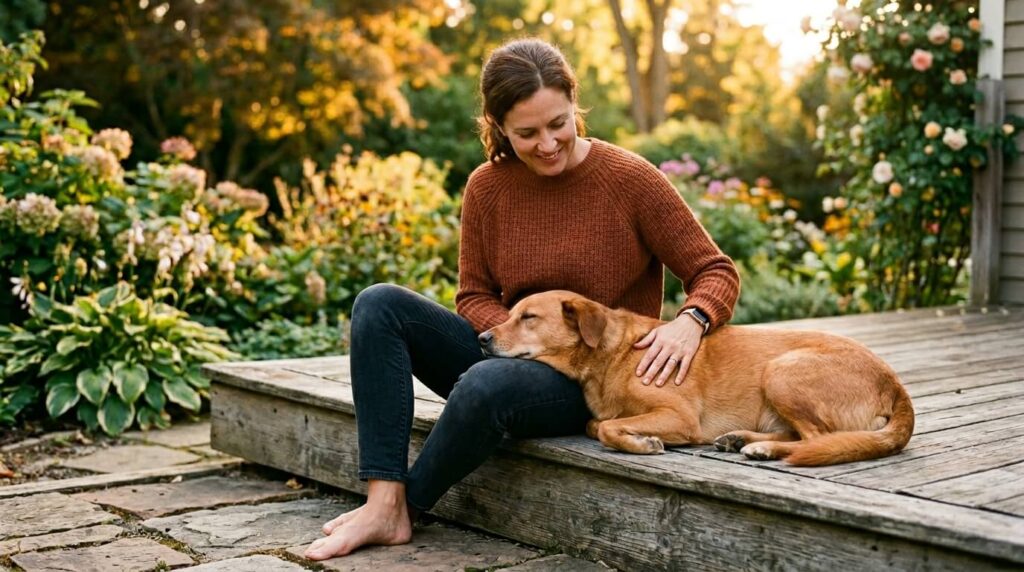
The Common Thread Through All Five
None of these five things are glamorous. None of them are going to generate excitement the way a new toy or a bag of premium treats does. But every single one of them addresses something your dog is experiencing right now — the discomfort of every step taken on overgrown nails, the irritation of constant metallic noise, the persistent pressure of a harness worn all day, the condition that went unnoticed for a week too long, the chronic oral pain that has quietly changed who your dog is.
The most powerful thing you can do for your dog is often the least exciting. It is the consistent, attentive, unglamorous stuff that no one advertises — because it does not need to be sold. It just needs to be done.
Start with whichever one on this list you know you have been avoiding. Pick the hardest one first. Because the sooner you address it, the sooner your dog stops quietly tolerating something they should not have to.
For Better For Dogs — because understanding your dog is the most powerful form of care there is. Which of these five surprised you most? Tell us in the comments below — we read every one.